Post-punk revival, from the outside in. Each step is a genre and the single record this encyclopedia would put on first. Play them in this order and the last one should sound like a next step rather than a wall.
- 1 The way in
Rock 1954
The whole family: guitar, bass, drums and a beat borrowed from blues and rhythm and blues. Every branch below grows out of this trunk, metal included.
Sung. Melodic singing throughout.
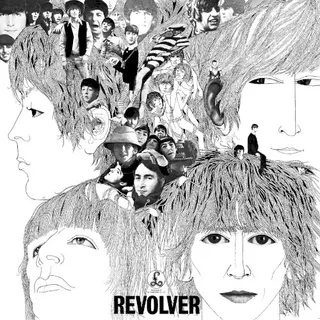
Put on
The Beatles - Revolver, if you want to understand why everything branched so fast.
The Beatles, Revolver (1966) - 2 Then
Punk rock 1974
Three chords, two minutes and zero patience for solos. A full reset of rock, and the second major source of extreme metal.
Shouted. Barked or chanted, and you can still make out the words.
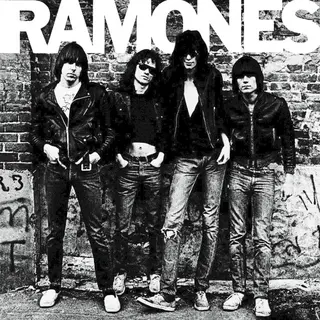
Put on
Ramones - Ramones. Fourteen songs in twenty-nine minutes, not a wasted note.
Ramones, Ramones (1976) - 3 Then
Post-punk 1978
Punk asking what comes next: melodic bass up front, dry guitar, space and cold. Possibly the most fertile branch in all of rock.
Sung. Melodic singing throughout.
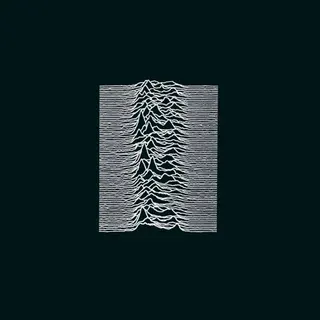
Put on
Joy Division - Unknown Pleasures. Martin Hannett's production is half the record.
Joy Division, Unknown Pleasures (1979) - 4 What you asked about
Post-punk revival 2001
The same basslines and the same chill, revived every ten years with contemporary production.
Sung. Melodic singing throughout.
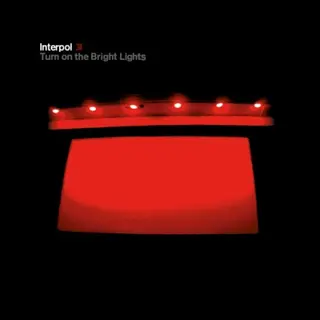
Put on
Interpol - Turn On the Bright Lights. Post-2001 New York, in sound.
Interpol, Turn On the Bright Lights (2002) - 5 Where to go next
Lo-fi / slacker rock 1992
Recorded on a four-track cassette with the hiss left in deliberately. Indifference as a method.
Sung. Melodic singing throughout.
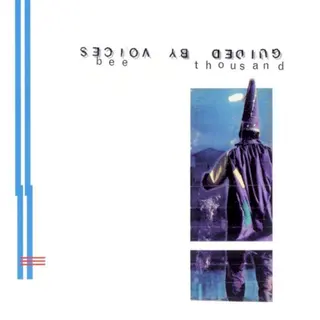
Put on
Guided by Voices - Bee Thousand. Twenty songs, most under two minutes.
Guided by Voices, Bee Thousand (1994)
Assembled from the tree: every genre Post-punk revival descends from, in order. Post-punk revival has no subgenres, so the last step is the genre that rates closest to it by sound.