Neoclassical metal, from the outside in. Each step is a genre and the single record this encyclopedia would put on first. Play them in this order and the last one should sound like a next step rather than a wall.
- 1 The way in
Heavy metal 1970
It split off from hard rock and blues rock when Black Sabbath tuned down and wrote riffs on the tritone. Volume, riff and a code of its own - every branch below starts here.
Sung. Melodic singing throughout.
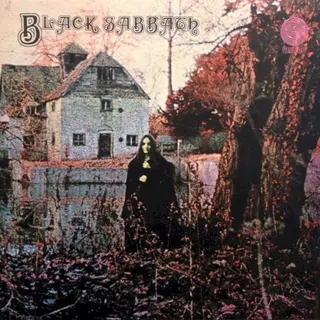
Put on
Black Sabbath - the song Black Sabbath. The first thirty seconds are the genre's birth certificate.
Black Sabbath, Black Sabbath (1970) - 2 What you asked about
Neoclassical metal 1984
Bach and Paganini transposed onto a distorted guitar: harmonic minor scales, sweep arpeggios and three-minute solos.
Sung. Melodic singing throughout.
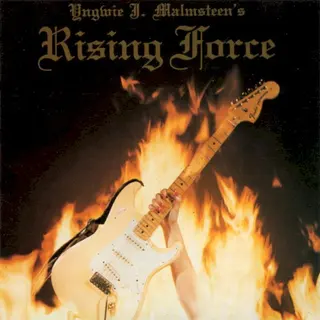
Put on
Yngwie Malmsteen - Far Beyond the Sun. Instrumental, six minutes, unplayable.
The pick names a track. This is the record the encyclopedia holds by them.
Yngwie Malmsteen, Rising Force (1984) - 3 Where to go next
Melodic hardcore 1985
Same speed and urgency, but with sung choruses and guitar harmonies.
Shouted. Barked or chanted, and you can still make out the words.
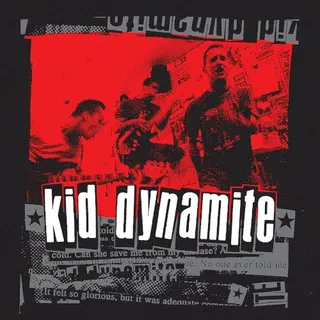
Put on
Kid Dynamite - Kid Dynamite. Seventeen songs, twenty-four minutes, zero fat.
Kid Dynamite, Kid Dynamite (1998)
Assembled from the tree: every genre Neoclassical metal descends from, in order. Neoclassical metal has no subgenres, so the last step is the genre that rates closest to it by sound.