Desert rock, from the outside in. Each step is a genre and the single record this encyclopedia would put on first. Play them in this order and the last one should sound like a next step rather than a wall.
- 1 The way in
Rock 1954
The whole family: guitar, bass, drums and a beat borrowed from blues and rhythm and blues. Every branch below grows out of this trunk, metal included.
Sung. Melodic singing throughout.
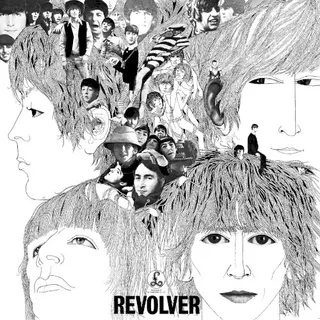
Put on
The Beatles - Revolver, if you want to understand why everything branched so fast.
The Beatles, Revolver (1966) - 2 Then
Hard rock 1968
Louder volume, thicker riffs, vocals pushed to the edge. Heavy metal splits off from it, but hard rock stays closer to the blues and to the chorus.
Sung. Melodic singing throughout.
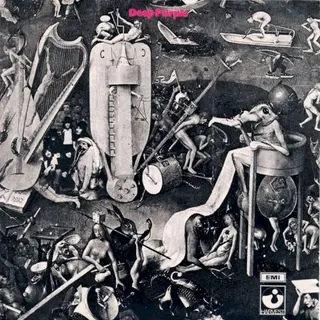
- 3 Then
Stoner rock 1990
Thick down-tuned riffs, groovy drums and a fuzz tone. Born at generator parties in the desert.
Sung. Melodic singing throughout.
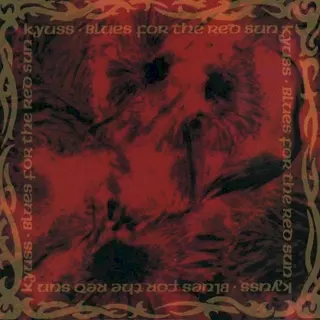
Put on
Kyuss - Blues for the Red Sun. That guitar tone has been copied for thirty years.
Kyuss, Blues for the Red Sun (1992) - 4 What you asked about
Desert rock 1991
The hypnotic, jam-based side of stoner rock, with lots of space between the notes and a warm bass tone.
Sung. Melodic singing throughout.
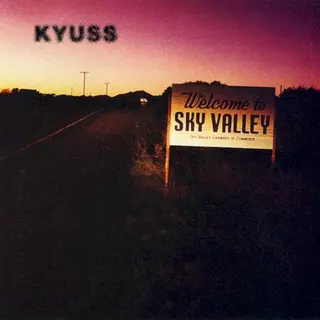
Put on
Kyuss - Welcome to Sky Valley. It plays as one block rather than as tracks.
Kyuss, Welcome to Sky Valley (1994) - 5 Where to go next
Deathrock 1979
The American version, more punk and more theatrical, with tribal drums and horror-movie imagery.
Sung. Melodic singing throughout.
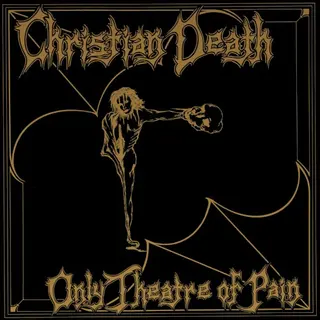
Put on
Christian Death - Only Theatre of Pain. Rozz Williams was nineteen when he wrote it.
Christian Death, Only Theatre of Pain (1982)
Assembled from the tree: the root, the two genres directly above Desert rock, and Desert rock itself. Desert rock has no subgenres, so the last step is the genre that rates closest to it by sound.