Funeral doom, from the outside in. Each step is a genre and the single record this encyclopedia would put on first. Play them in this order and the last one should sound like a next step rather than a wall.
- 1 The way in
Heavy metal 1970
It split off from hard rock and blues rock when Black Sabbath tuned down and wrote riffs on the tritone. Volume, riff and a code of its own - every branch below starts here.
Sung. Melodic singing throughout.
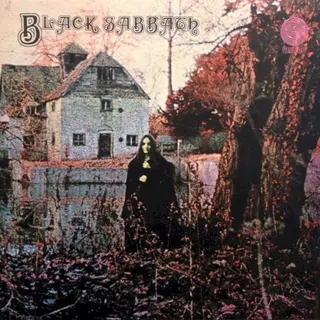
Put on
Black Sabbath - the song Black Sabbath. The first thirty seconds are the genre's birth certificate.
Black Sabbath, Black Sabbath (1970) - 2 Then
Doom metal 1980
The branch most faithful to Black Sabbath: slow tempos, thick riffs and crushing atmosphere. The weight comes from space, not speed.
Sung. Melodic singing throughout.
Put on
Saint Vitus - Born Too Late. The title says exactly how the band felt.
Saint Vitus, Saint Vitus (1984) - 3 What you asked about
Funeral doom 1991
The slowest metal in existence: under 40 bpm, organ, guttural vocals and fifteen-minute songs. Music for a single chord.
Growled or shrieked. Unintelligible without a lyric sheet. The thing most newcomers bounce off.
Put on
Skepticism - Stormcrowfleet. Listen at night, on headphones, in one sitting.
Skepticism, Stormcrowfleet (1995) - 4 Where to go next
Death-doom 1990
Guttural vocals at funeral tempo. Bands from Yorkshire invented the combination and then invented gothic metal too.
Growled or shrieked. Unintelligible without a lyric sheet. The thing most newcomers bounce off.
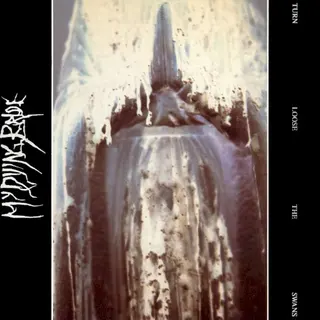
Put on
My Dying Bride - Turn Loose the Swans. The violin matters as much as the guitar.
My Dying Bride, Turn Loose the Swans (1993)
Assembled from the tree: every genre Funeral doom descends from, in order. Funeral doom has no subgenres, so the last step is the genre that rates closest to it by sound.