Drone metal, from the outside in. Each step is a genre and the single record this encyclopedia would put on first. Play them in this order and the last one should sound like a next step rather than a wall.
- 1 The way in
Heavy metal 1970
It split off from hard rock and blues rock when Black Sabbath tuned down and wrote riffs on the tritone. Volume, riff and a code of its own - every branch below starts here.
Sung. Melodic singing throughout.
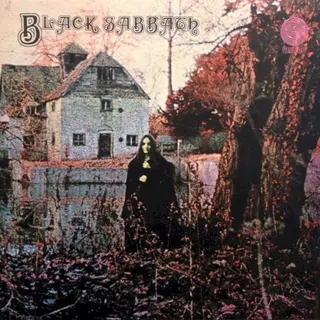
Put on
Black Sabbath - the song Black Sabbath. The first thirty seconds are the genre's birth certificate.
Black Sabbath, Black Sabbath (1970) - 2 Then
Doom metal 1980
The branch most faithful to Black Sabbath: slow tempos, thick riffs and crushing atmosphere. The weight comes from space, not speed.
Sung. Melodic singing throughout.

Put on
Saint Vitus - Born Too Late. The title says exactly how the band felt.
Saint Vitus, Saint Vitus (1984) - 3 What you asked about
Drone metal 1993
Sustained notes at extreme volume, with almost no rhythm. You listen with your body more than your ears.
Instrumental. Usually no vocals at all.
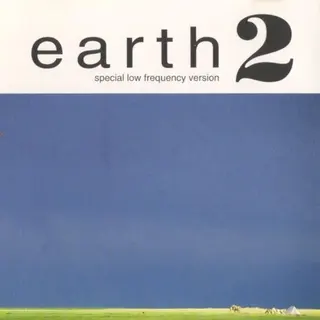
Put on
Earth - Earth 2. Seventy-three minutes, three tracks, almost no change.
Earth, Earth 2 (1993) - 4 Where to go next
Beatdown / metallic hardcore 1993
Hardcore reduced to breakdowns and slow groove, with barked vocals and lyrics about loyalty and endurance.
Growled or shrieked. Unintelligible without a lyric sheet. The thing most newcomers bounce off.
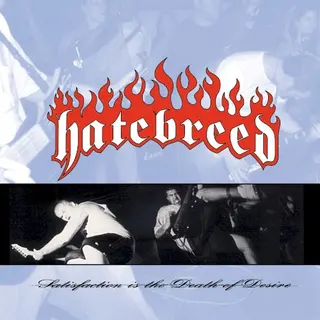
Put on
Hatebreed - Satisfaction Is the Death of Desire. Twenty-seven minutes, produced by Steve Evetts.
Hatebreed, Satisfaction Is the Death of Desire (1997)
Assembled from the tree: every genre Drone metal descends from, in order. Drone metal has no subgenres, so the last step is the genre that rates closest to it by sound.