D-beat, from the outside in. Each step is a genre and the single record this encyclopedia would put on first. Play them in this order and the last one should sound like a next step rather than a wall.
- 1 The way in
Rock 1954
The whole family: guitar, bass, drums and a beat borrowed from blues and rhythm and blues. Every branch below grows out of this trunk, metal included.
Sung. Melodic singing throughout.
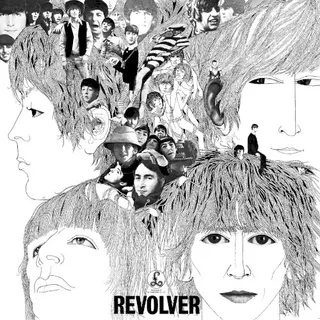
Put on
The Beatles - Revolver, if you want to understand why everything branched so fast.
The Beatles, Revolver (1966) - 2 Then
Punk rock 1974
Three chords, two minutes and zero patience for solos. A full reset of rock, and the second major source of extreme metal.
Shouted. Barked or chanted, and you can still make out the words.
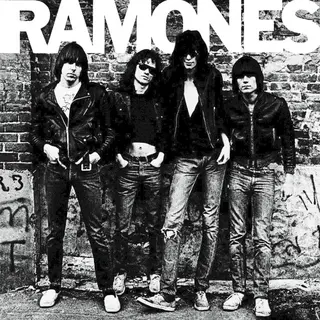
Put on
Ramones - Ramones. Fourteen songs in twenty-nine minutes, not a wasted note.
Ramones, Ramones (1976) - 3 Then
Hardcore punk 1980
Punk accelerated to 200 bpm, songs of one minute and shouted vocals. Without it there is no thrash, no grindcore, no metalcore.
Shouted. Barked or chanted, and you can still make out the words.
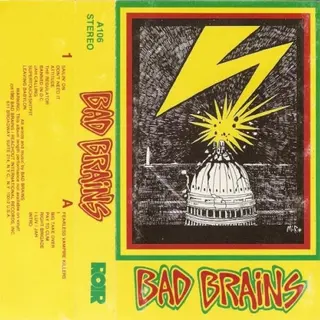
Put on
Bad Brains - Bad Brains (the ROIR cassette). The fastest band of the decade.
Bad Brains, Bad Brains (1982) - 4 What you asked about
D-beat 1982
Named after Discharge's drum pattern: galloping toms, motorcycle guitar and anti-war slogans shouted as choruses.
Shouted. Barked or chanted, and you can still make out the words.
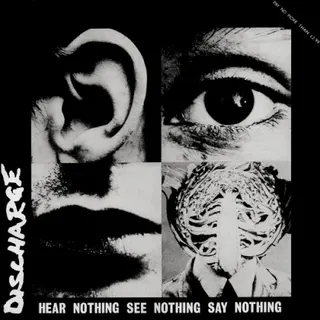
Put on
Discharge - Hear Nothing See Nothing Say Nothing. Not one relaxed second on it.
Discharge, Hear Nothing See Nothing Say Nothing (1982) - 5 Where to go next
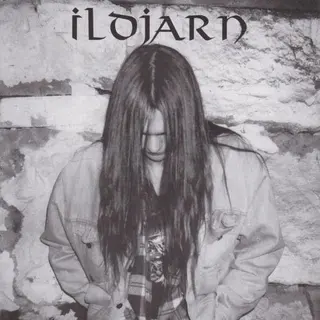
Raw black metal 1993
Lo-fi production taken to the extreme, often recorded straight to tape. The noise is part of the composition.
Growled or shrieked. Unintelligible without a lyric sheet. The thing most newcomers bounce off.
Assembled from the tree: every genre D-beat descends from, in order. D-beat has no subgenres, so the last step is the genre that rates closest to it by sound.